Blog
OEM vs ODM Electronics Manufacturing: Which Model Is Right for Your Brand?

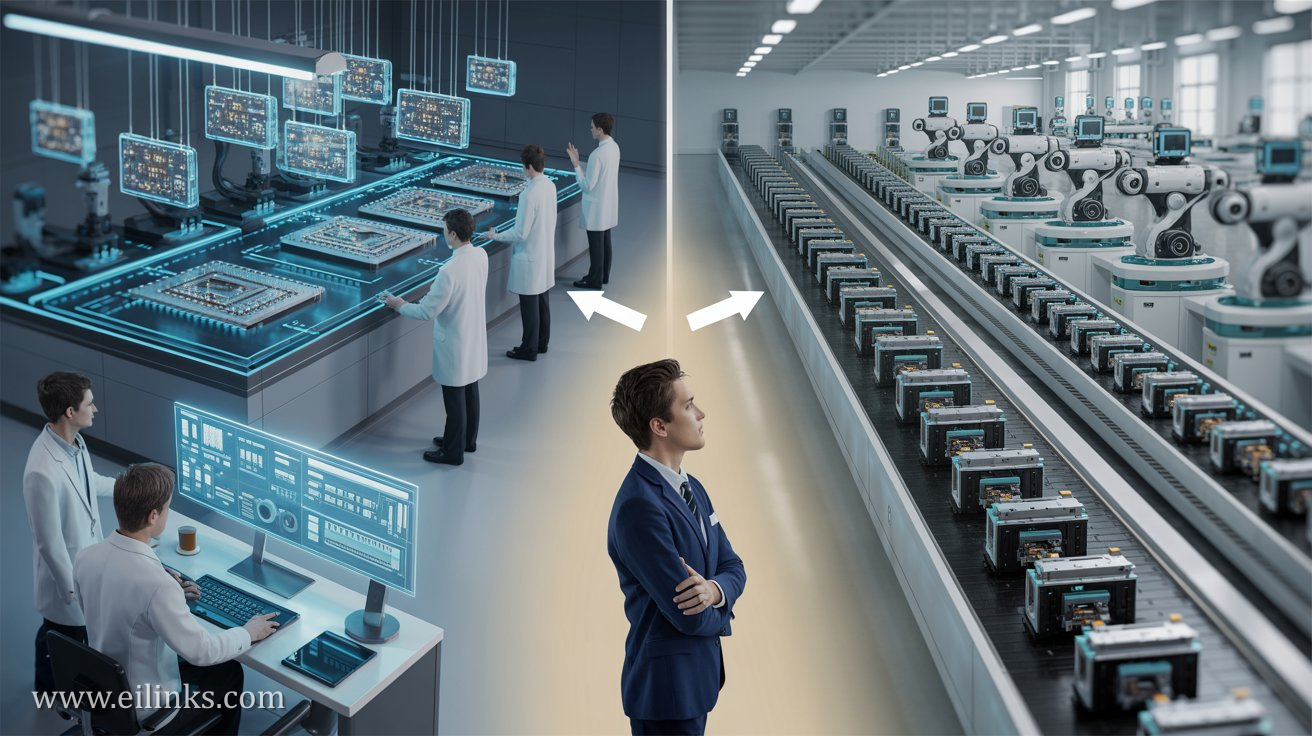
Imagine this: You’ve poured your heart into designing the next big smart gadget—a sleek fitness tracker that syncs with your phone like magic. But when manufacturing time hits, costs skyrocket, timelines drag, and quality? Let’s just say it’s a crapshoot. You’re not alone; over 70% of new electronics brands struggle with production pitfalls in their first year, according to McKinsey. The good news? Choosing between OEM and ODM manufacturing models can turn that nightmare into a launchpad for success. In this post, we’ll break it down so you pick the right path for your brand.
What Exactly Are OEM and ODM? Let’s Demystify the Acronyms
Picture OEM and ODM as your manufacturing wingmen—each with a superpower, but neither a one-size-fits-all hero.
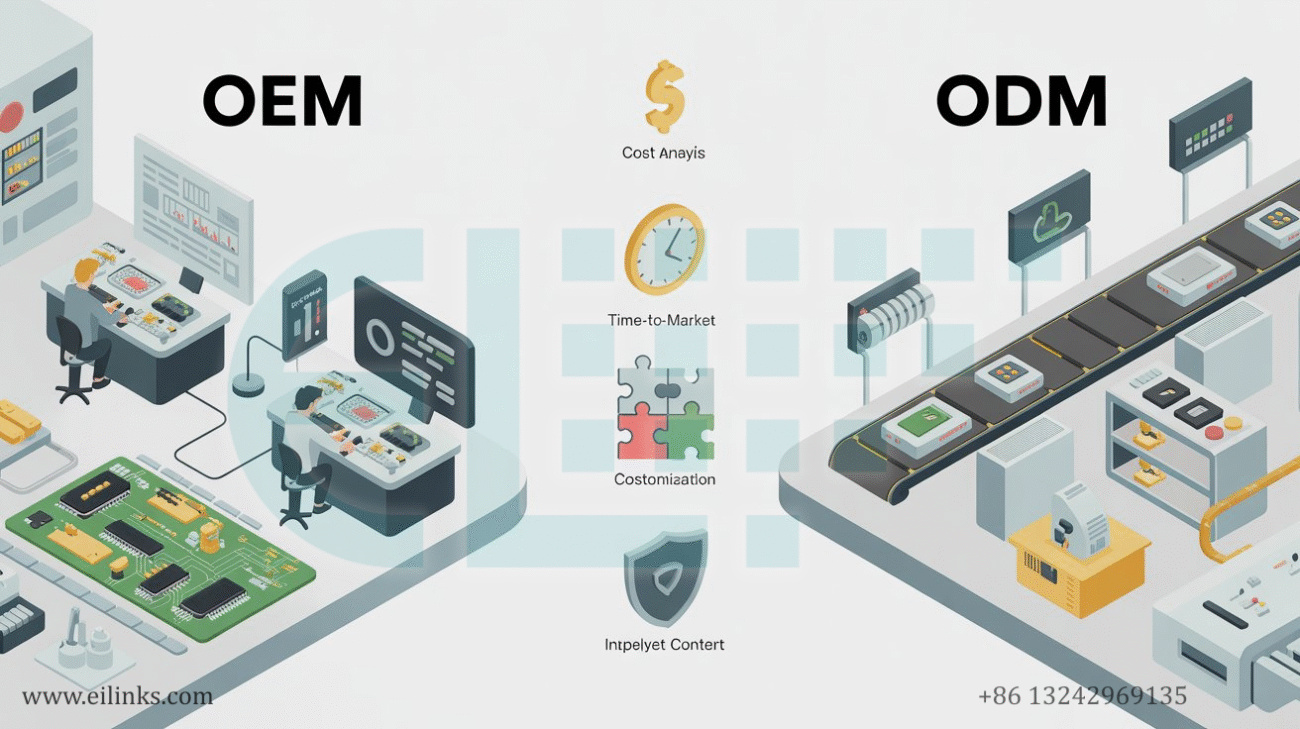
- OEM (Original Equipment Manufacturer): You supply the blueprint, specs, and vision. The manufacturer builds to your exact designs using your components. Think Apple dictating iPhone guts to Foxconn—they own the IP, you get custom perfection.
- ODM (Original Design Manufacturer): The manufacturer does everything. They design, prototype, and produce based on your high-level ideas. You slap your brand on it and ship. It’s like hiring a chef who cooks your dream meal from scratch, no recipe required.
I’ve chatted with startup founders who dove into OEM thinking “full control,” only to drown in redesign fees. One buddy in Bangalore laughingly called it “Original Expensive Mistake.” The key? OEM shines when innovation is your edge; ODM wins for speed.
For deeper dives, check our guides on custom PCB assembly services and electronics prototyping tips.
Pros and Cons: OEM Manufacturing Unpacked
OEM feels like captaining your own ship—empowering, but stormy if you’re not ready.
The Wins:
- Total design control: Tweak every circuit, enclosure, and feature to match your brand’s soul.
- IP protection: Your secrets stay yours, reducing copycat risks.
- Premium quality potential: Use top-tier components for that “wow” factor customers rave about.
The Headaches:
- Higher costs: Expect 20-50% more upfront, per Statista’s electronics manufacturing report, due to custom tooling.
- Longer timelines: Prototyping alone can take 3-6 months.
- Supply chain headaches: You’re on the hook for sourcing parts.
Real talk: A client of ours launching a drone controller went OEM for uniqueness. It paid off—they outsold competitors by 30% on features alone. But if you’re bootstrapping? It might sink you.
Pros and Cons: ODM Manufacturing Exposed
ODM is the fast lane—grab the keys and floor it. Perfect if you’re racing to market.
The Wins:
- Speed demon: From concept to shelf in weeks, not months. Ideal for trends like wearables.
- Cost savings: Leverage the manufacturer’s economies of scale—up to 40% cheaper, says a Deloitte electronics outlook.
- Low risk: They handle design headaches, certifications (FCC, CE), and testing.
The Headaches:
- Less customization: You’re picking from their menu; true uniqueness? Tough.
- IP gray areas: Designs might get reused elsewhere—non-disclosure agreements are your shield.
- Quality roulette: Not all ODMs deliver flagship-level work.
Humor alert: I once saw a brand’s ODM smartwatch flood with “budget vibes.” Customers dubbed it “the knockoff king.” Lesson? Vet partners ruthlessly—ask for samples and references.
Head-to-Head: OEM vs ODM in Real-World Scenarios
Still torn? Let’s match models to your brand’s vibe with quick scenarios.
| Factor | OEM | ODM | Winner For… |
|---|---|---|---|
| Time to Market | 6-12 months | 2-4 months | Speed-focused startups |
| Cost (per unit, est.) | $50-100 (custom fitness band) | $30-60 | Budget brands |
| Customization | 10/10 | 5/10 | Innovators |
| IP Control | Ironclad | Shared risk | Premium players |
| Scalability | Flexible scaling | High-volume ready | Mass market |
Data from Electronics Weekly backs this: OEM suits 60% of high-end brands, ODM dominates consumer gadgets.
Case Study Time: Take Xiaomi—they mix ODM for quick Android phones (speed + affordability) with OEM for flagships like Mi Mix (design edge). Or consider a relatable flop: A Raipur-based IoT startup I advised picked pure OEM for sensors. Delays killed their funding round. Switching to hybrid ODM? Boom—products shipped, investors happy.
When to Choose OEM: Own Your Vision
Go OEM if:
- Your brand screams innovation (e.g., proprietary AI chips).
- Margins justify premiums—think enterprise hardware.
- Long-term IP is your moat.
Pro tip: Start small with our rapid prototyping services to test waters without drowning in costs.
When to Choose ODM: Launch Fast, Iterate Later
Pick ODM when:
- Market windows are tiny (hello, viral TikTok trends).
- You’re a new brand testing demand.
- Budgets are tight but volume dreams big.
Empathy check: I get the fear of “selling out” your vision. But remember, even giants like Samsung started ODM-heavy before scaling custom.
Hybrid Approach: The Smart Middle Ground?
Why choose? Many brands blend OEM and ODM—ODM for core modules, OEM for branded tweaks. It cuts costs by 25% while keeping flair, per industry experts. We’ve helped clients at EILinks pull this off seamlessly.
Making the Call: Factors Tailored to You
Ask yourself:
- What’s your budget runway?
- How unique must your product be?
- Can you manage supply chains?
Run a quick cost-benefit: OEM for <10k units if custom; ODM otherwise. And always partner with pros—poor choices cost up to $1M in recalls yearly, warns the FDA.
Wrapping It Up: Your Path to Manufacturing Mastery
OEM gives control for trailblazers; ODM delivers speed for agile players. Both crush it when matched right—no one-size-fits-all, but hybrids often steal the show. You’ve got the tools now to sidestep those rookie pitfalls.
Ready to build? Contact our EILinks team today for a free OEM/ODM consultation tailored to your brand. Drop a comment: OEM or ODM for your next project? Let’s chat!